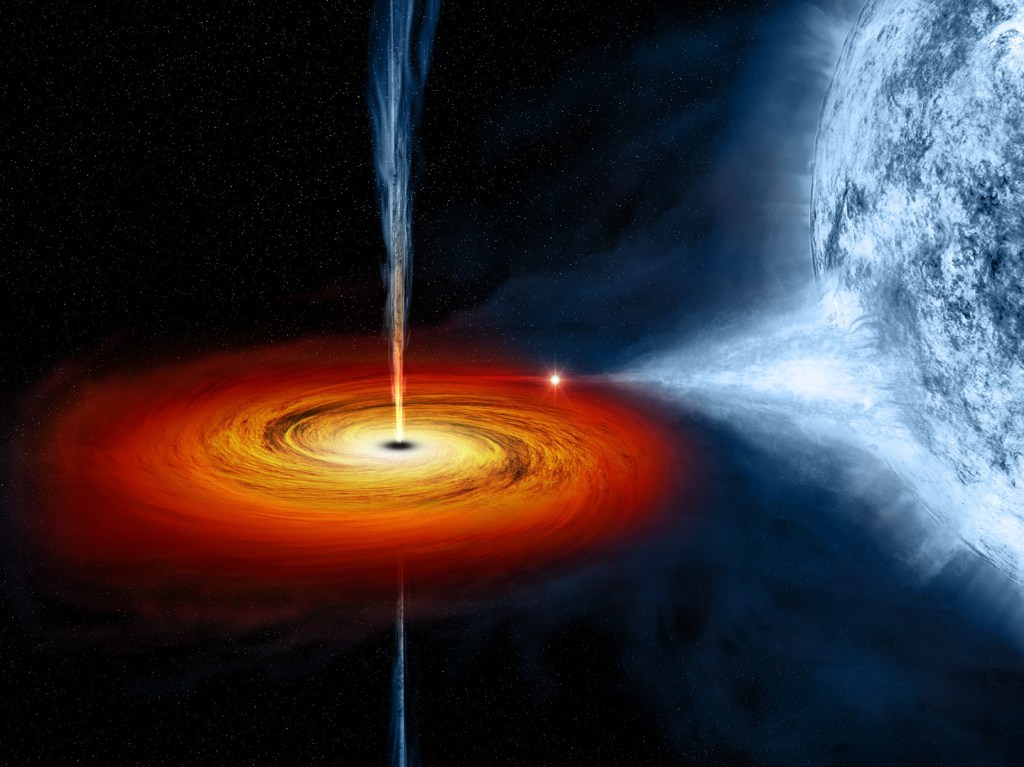
A black hole is a place in space where gravity is so strong that space-time is curved to a point that nothing, not even light can get out. Therefore, we can’t see a black hole directly, buy there is plenty of observational evidence of the existence of these mysterious objects trough the gravitational effect the cause, such as gravitational lensing, accretion disks, the motion of orbiting objects, or gravitational waves.

One of the reasons why we know that the successful general relativity theory is incomplete, is because it predicts infinitely dense points known as singularities to exist inside black holes, where the equations of general relativity break down and don’t seem to make sense.
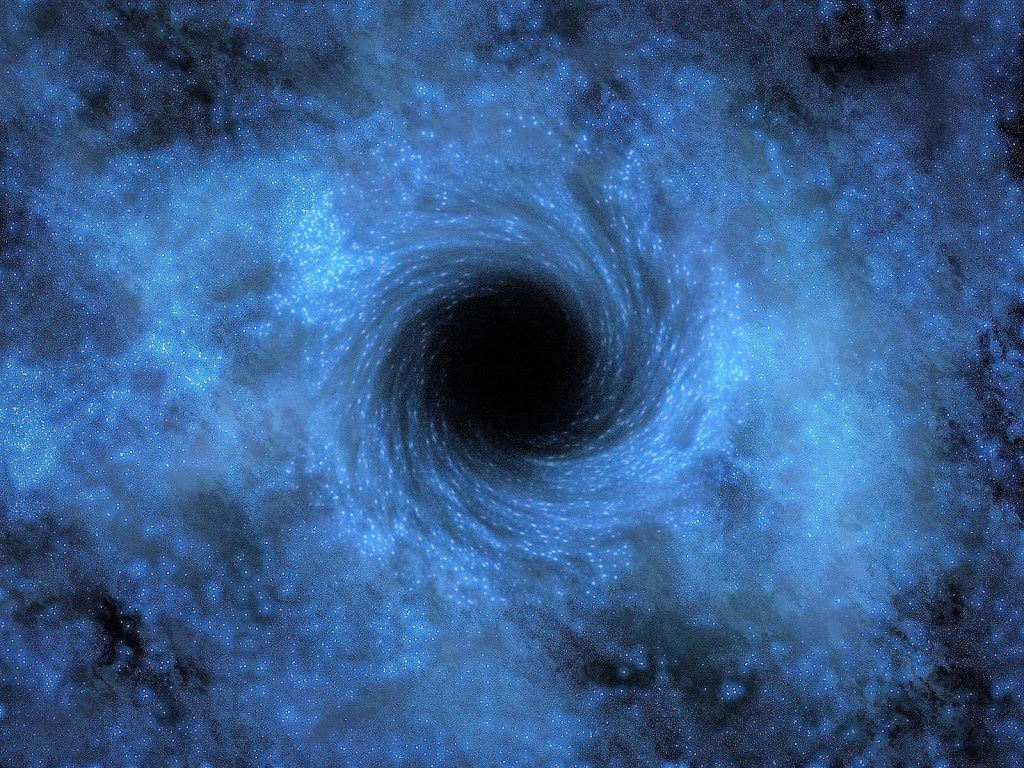
General relativity predicts that all the matter that falls into a black hole is concentrated into a gravitational singularity at the centre of the black hole, which is a point of infinite density, zero volume, causing infinite space-time curvature and time to stop, however, there is no way of experimentally looking inside a black hole, so we don’t know for sure what is inside.
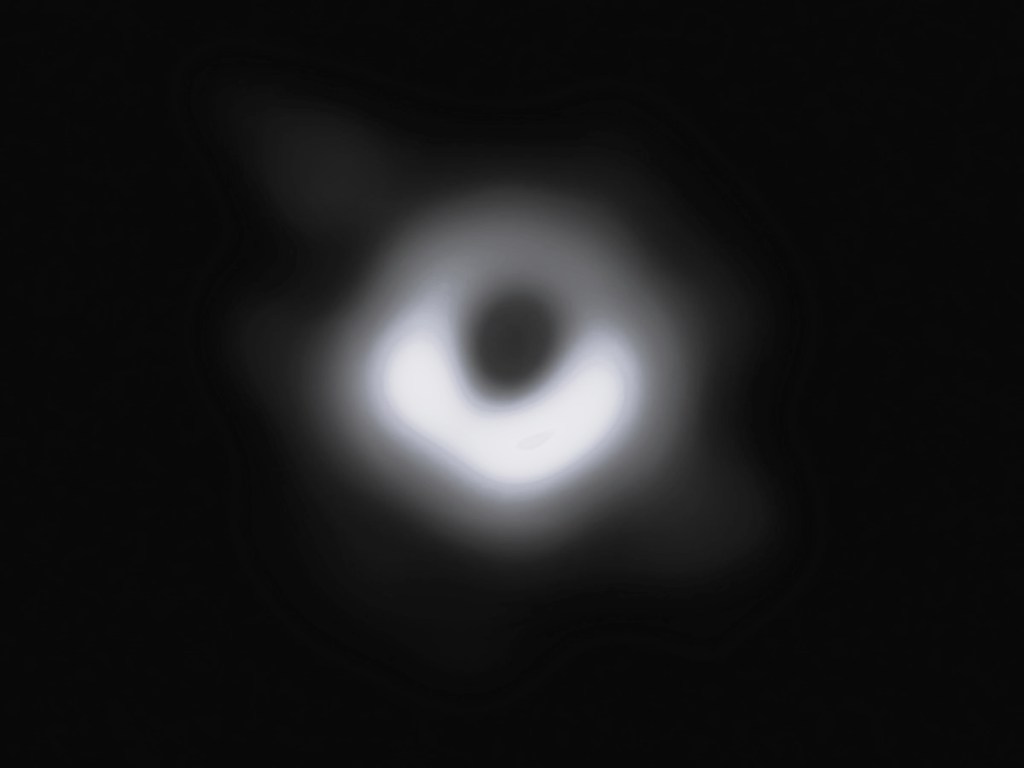
A Planck star is a hypothetical astronomical object, theorized in loop quantum gravity to exists within a black hole’s event horizon, which is created when the energy density of a collapsing star reaches an energy density level that would create a repulsive force to avoid violation of Heisenberg’s uncertainty principle for quantised spacetime. Therefore, the collapsing star creating the black hole would not become a singularity (point with zero volume and infinite density) as predicted by general relativity. So far, the existence of Planck stars has not been proved.
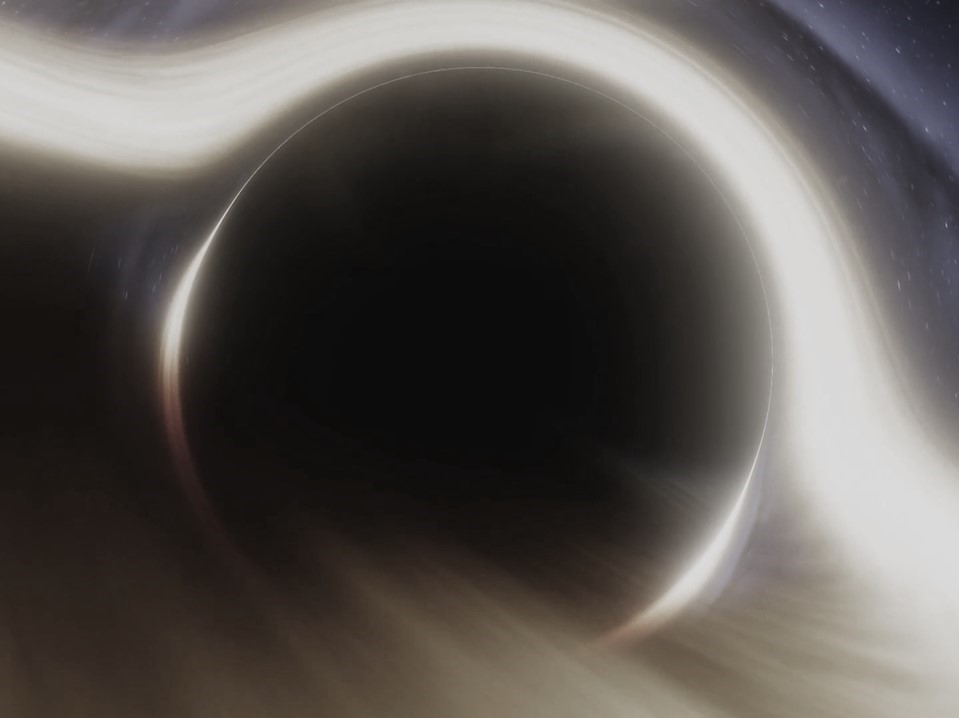
The event horizon of a black hole is where the escape speed exceeds the speed of light, therefore an object would have to go faster than light to escape the black hole’s gravity, which is impossible. General relativity equations predict that the area of the black hole event horizon is proportional to the mass of the black hole, but it has not been possible to confirm that experimentally.
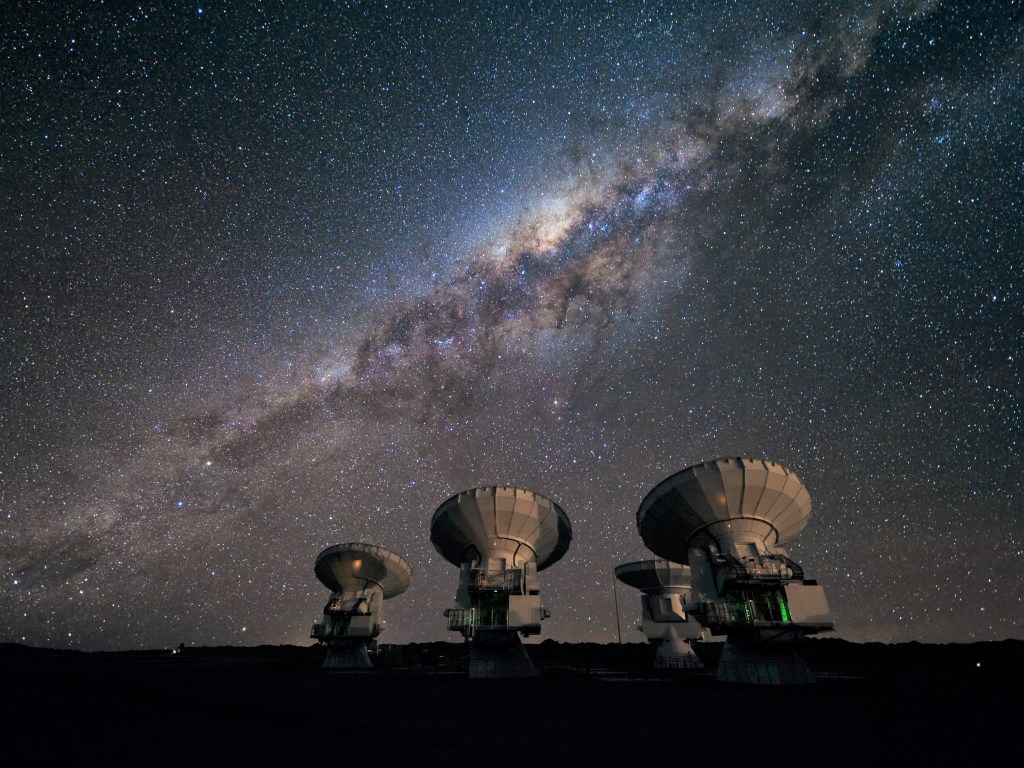
For many years black holes were long considered a mathematical curiosity compatible with the equations of general relativity, until the first black hole was discovered in 1971. Quite a few more black holes have been discovered since, and it is estimated that there must be hundreds of millions of them in our galaxy only, but we don’t really have a good estimate of how many black holes there are in the Universe.

A black hole has only three internal parameters: mass, electric charge, and angular momentum, so it looks like most of the information about the matter that fell into the black hole is lost, which would be all right if that information was kept in the black hole forever, but since black holes evaporate over time through the Hawking radiation, which carries no information about the matter that fell in, it appears that information is lost forever, which does not make sense since information in the Universe is preserved across time, it can get rearranged, but not created or destroyed. This information loss paradox has not been resolved yet.
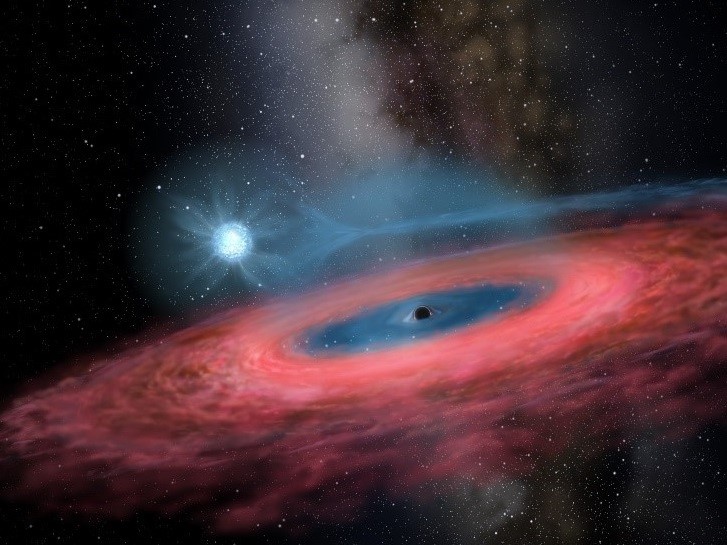
Given that a black hole only has three independent physical properties: mass, electric charge, and angular momentum, in theory two black holes that share the same three values would be indistinguishable from each other, irrespective of how they were formed or what went in. However, there is however no empirical evidence of this.
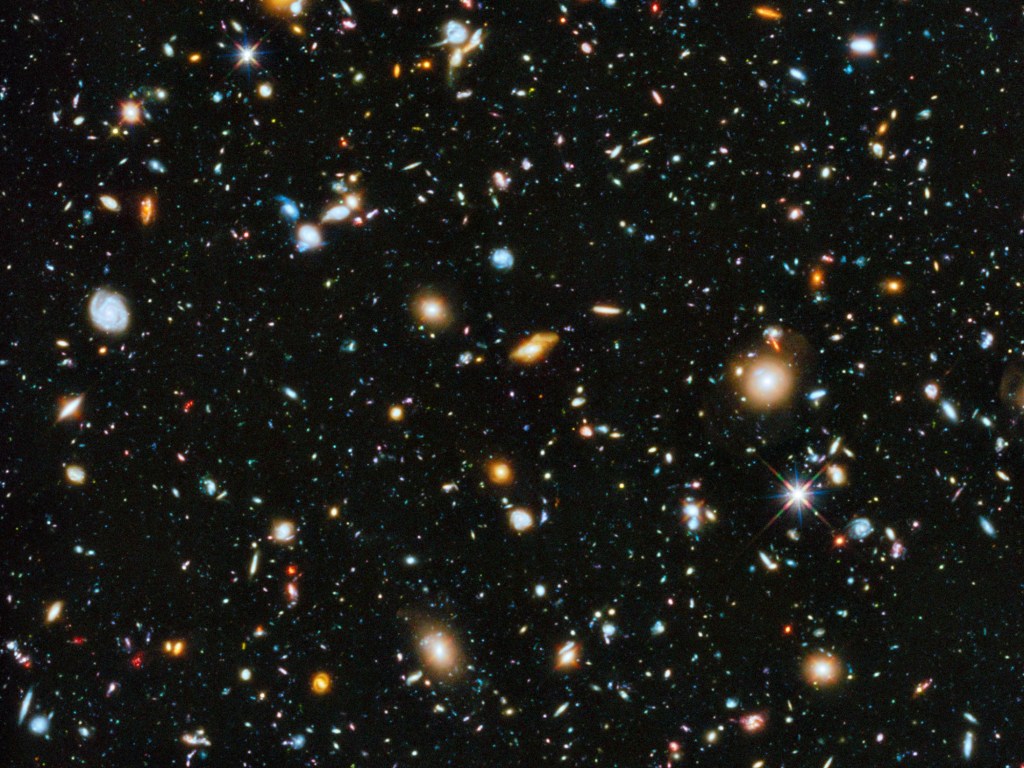
The huge density required to form a black hole through gravitational collapse is found only in large stars, but in the early universe shortly after the Big Bang, densities were much greater, so in theory, it is possible that primordial black holes formed in such a dense medium, however, there is no evidence of the existence of primordial black holes.
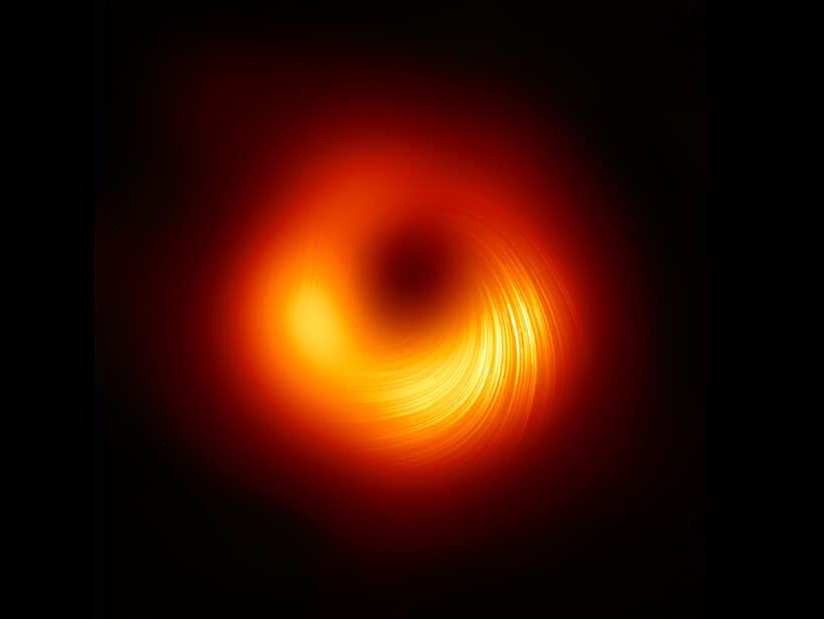
Steven Hawking predicted that black holes emit small amounts of thermal radiation, an effect known as Hawking radiation, which would make the black hole lose mass, shrink, and completely evaporate over time. So far, there is no empirical evidence of the Hawking radiation.
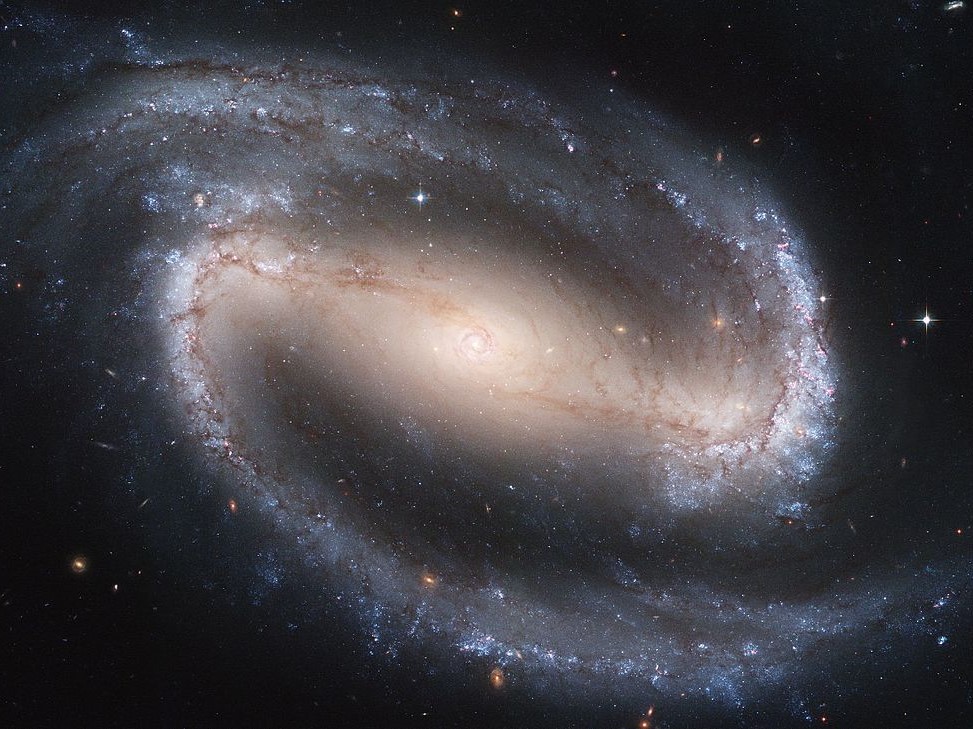
Most galaxies seem to have a giant black hole at their centre, it is probable that these black holes were present when their galaxy was formed and therefore played a role in the formation of the galaxy, but we don’t know for sure.
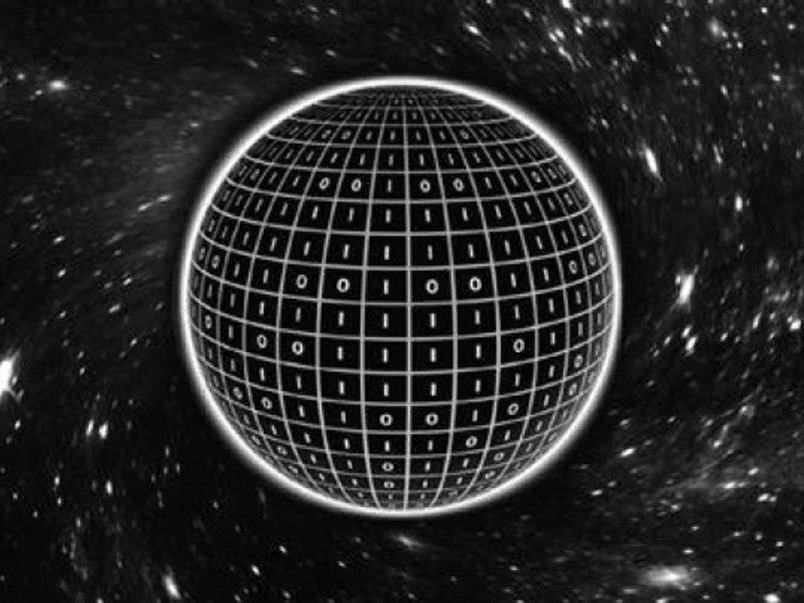
The holographic principle is a theoretical concept postulating that the description of a volume of space such as a black hole, or even the whole Universe, can be encoded on the boundary of that region. There is currently no direct empirical evidence for the holographic principle.

The Black Hole Information Paradox is an unresolved mystery in theoretical physics that arises from a conflict between general relativity (information about particles falling into a black hole is destroyed) and quantum mechanics (information can never be destroyed).
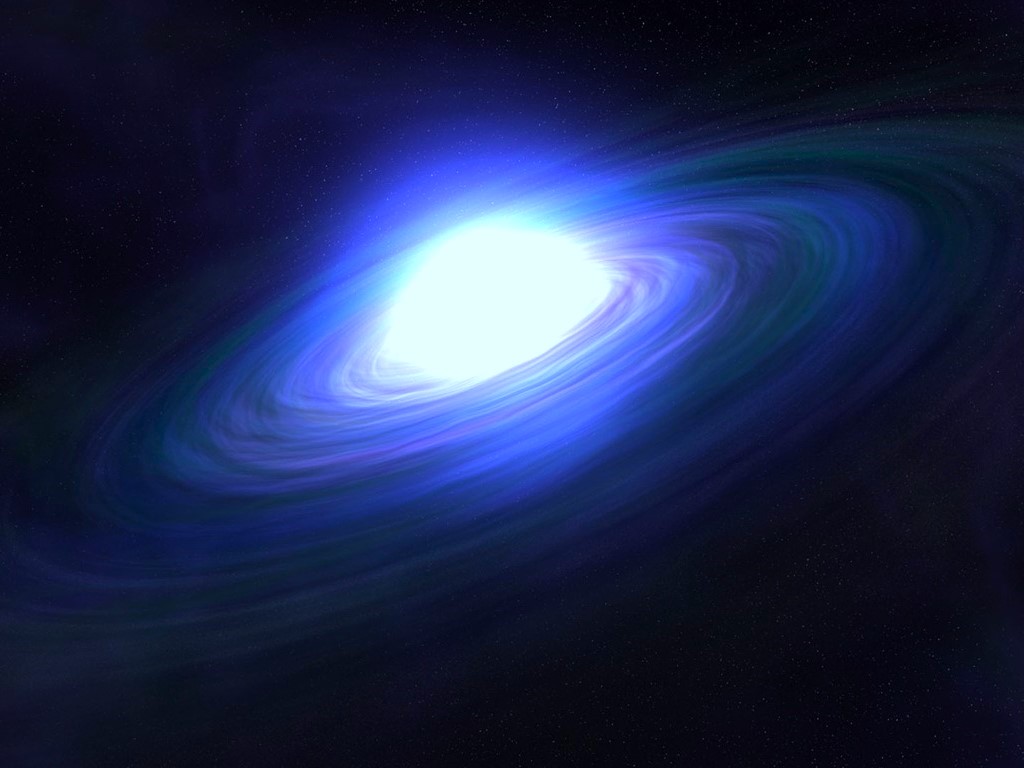
A white hole is a hypothetical object that arises from the equations of general relativity. It is the time-reversed version of a black hole. Instead of absorbing everything that comes near it, a white hole would repel everything, preventing matter from entering its event horizon. However, there is no observational evidence that white holes exist in our Universe.
 Awarenergy