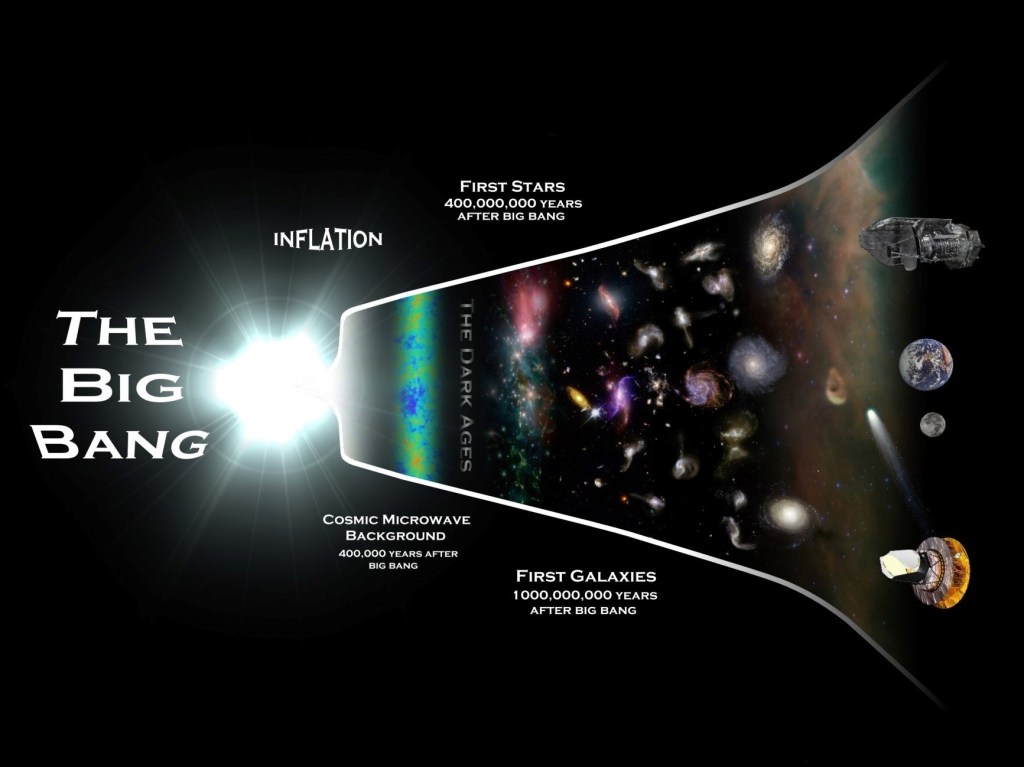
The Big Bang is believed to be the initial outburst of pure energy with infinite density creating time, space, and matter as it expanded, however we don’t know what caused the Big Bang. Some people argue that nothing could cause it because there was no time before it, therefore the concept of creation would not make sense.
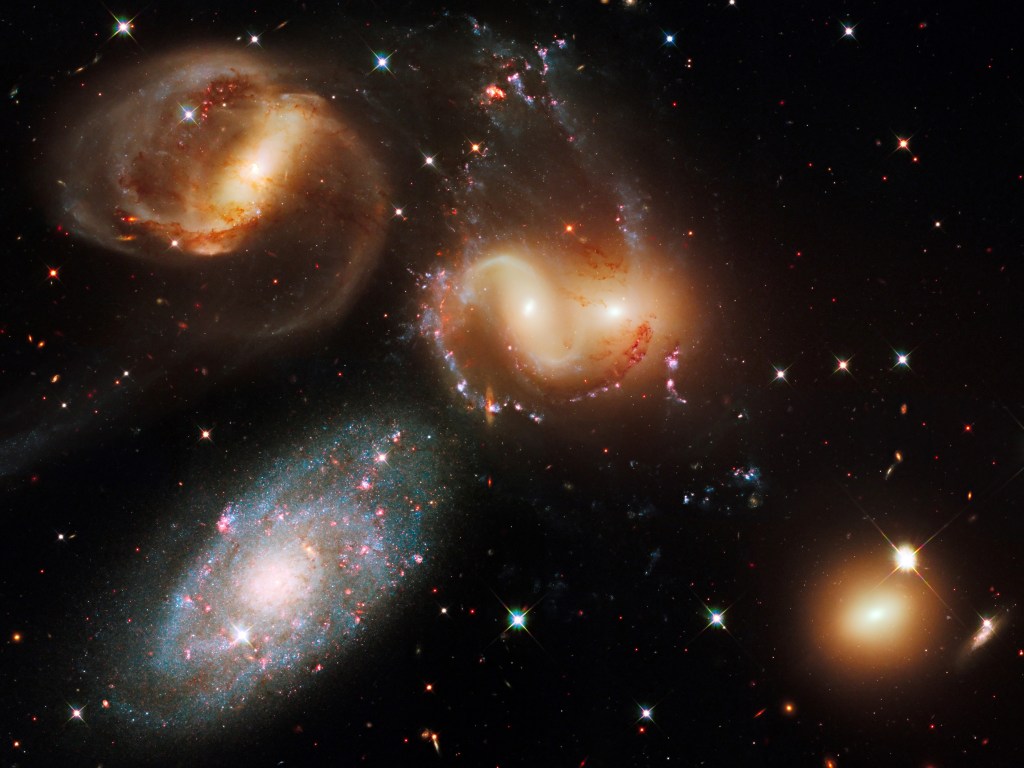
According to the Cosmic Inflation theory, from 10¯³⁶ seconds 10¯³³ seconds after the Big Bang, the Universe underwent a super-fast, exponential expansion from the size of an electron to the size of a golf ball, during which quantum fluctuations stretched out to produce a pattern that later determined the locations of galaxies. Inflation explains a wide range of observed phenomena, but what caused it is unknown.
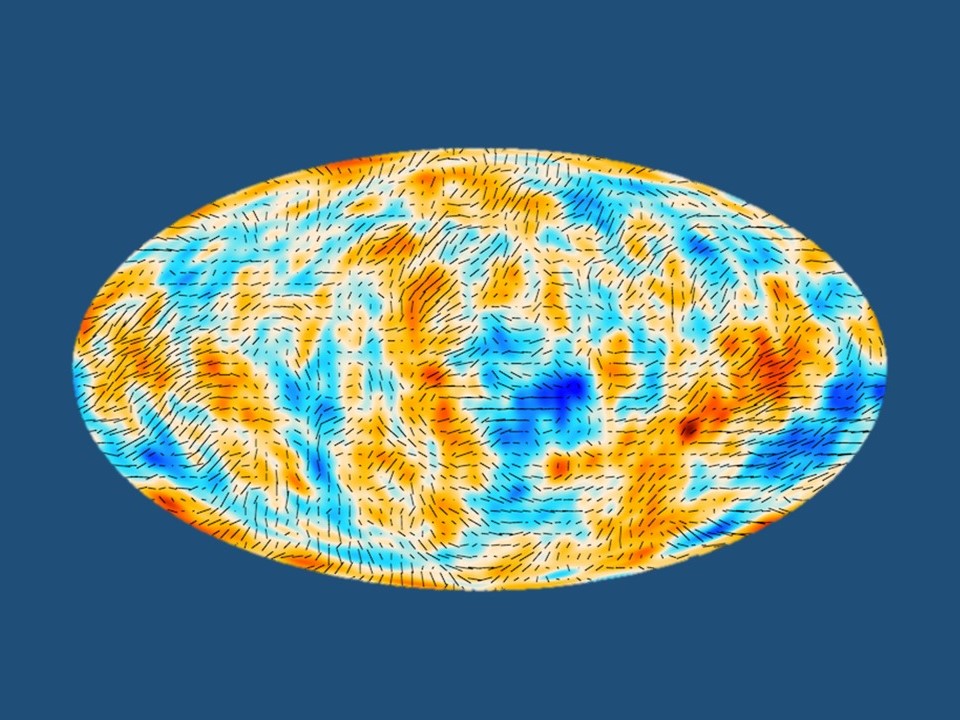
Primordial gravitational waves must have been created a fraction of a second after the Big Bang and should be still echoing through the Universe today, but the signal must be very faint and hasn’t been detected yet.
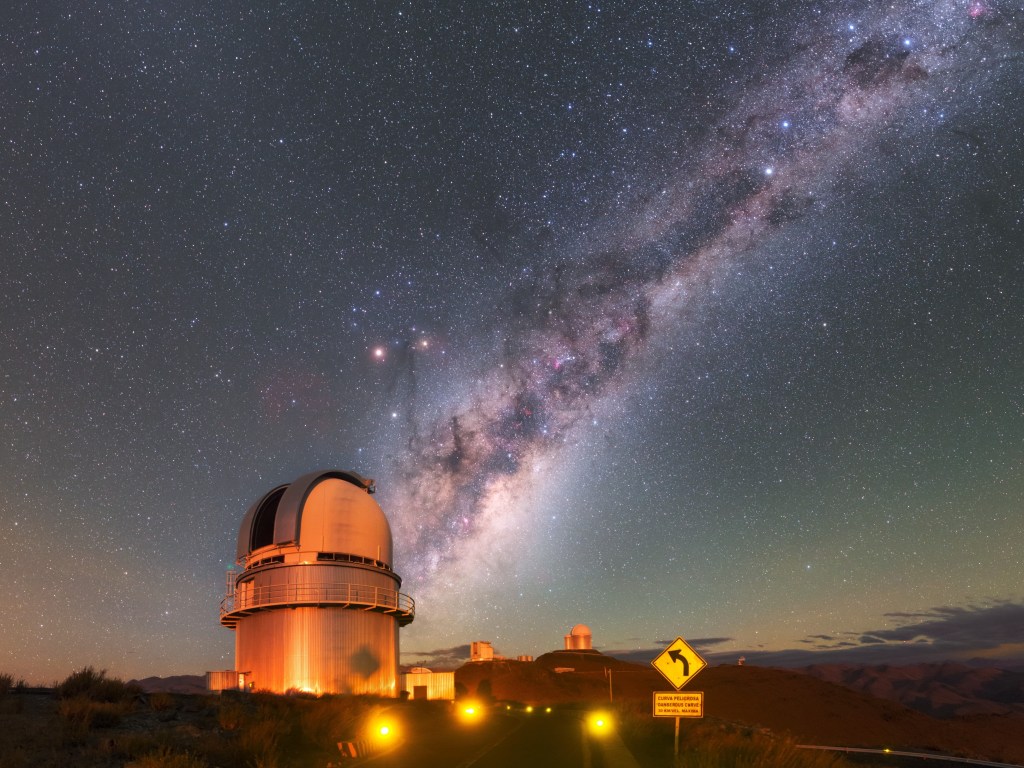
We live in a 13.8 billion year old expanding Universe made of 68% mysterious dark energy and 32% matter, of which 85% is the unexplained dark matter and only 15% normal matter like stars, planets, moons, black holes, gas and dust. In summary, we only sort of understand about 5% of the Universe.

Hubble’s law determines that galaxies are receding away from us with a velocity that is proportional to their distance, double the distance, double the speed. Discovered in 1929, Hubble’s law is just based on observation and gives supporting evidence for the Big Bang theory, but we don’t really know why the receding speed of a galaxy is proportional to the distance.

Hubble constant value, which indicates the expansion rate of the Universe, has been measured to be 73 ± 1 km per second per megaparsec. This value is different from predictions based on observations right after the Big Bang that point at 67.5 ± 0.5 km per second per megaparsec. The cause of this discrepancy remains a mystery.

The diameter of the observable universe is about 93 billion light-years, but the size of the whole universe is unknown.

Many theoretical physicists believe that more dimensions than the ordinary three plus time will be needed for physics to make sense of the Universe, however, there is no evidence of their existence.

Empty space is not nothing, we know it can bend, twist and ripple, but it still remains a mystery in science, for instance, we don’t know if spacetime is fundamentally continuous or discrete, or how it emerges.
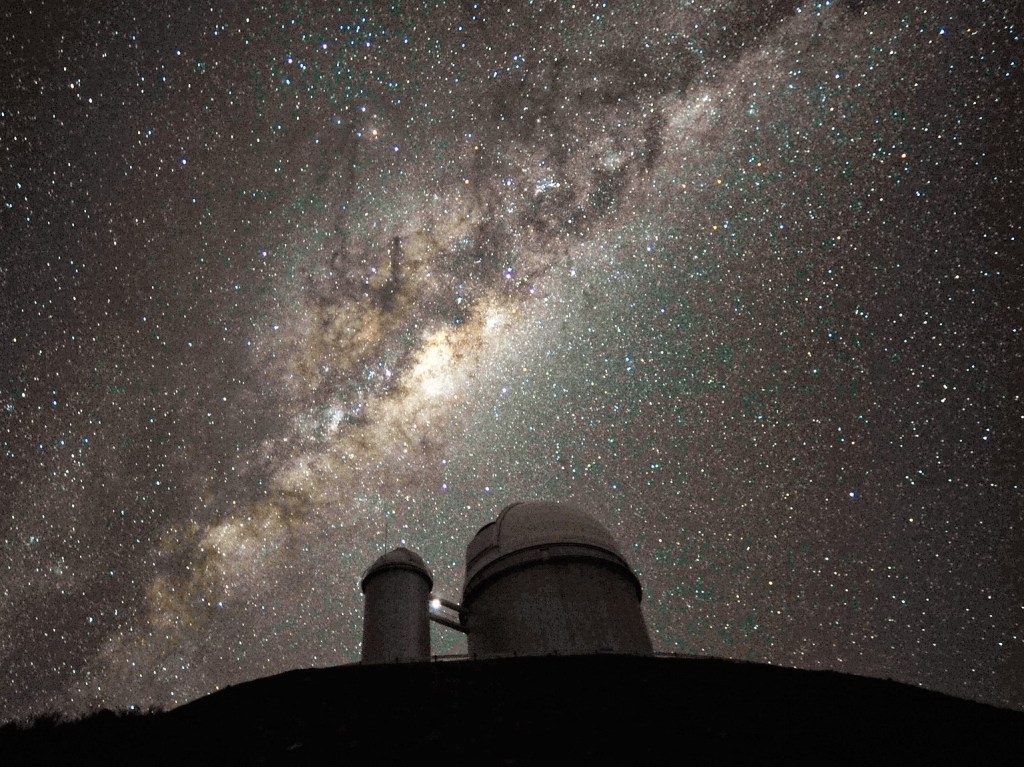
Our universe shows a puzzling asymmetry with respect to matter and antimatter. In theory the Big Bang should have created matter and antimatter in equal amounts, however, the universe we observe is made entirely out of matter, physicists don’t know why matter prevailed and antimatter disappeared.

If the universe was a closed system, then the net charge of the universe would be zero, but we don’t know if the universe is a closed system, therefore we don’t know for sure if the net charge of the universe is zero.
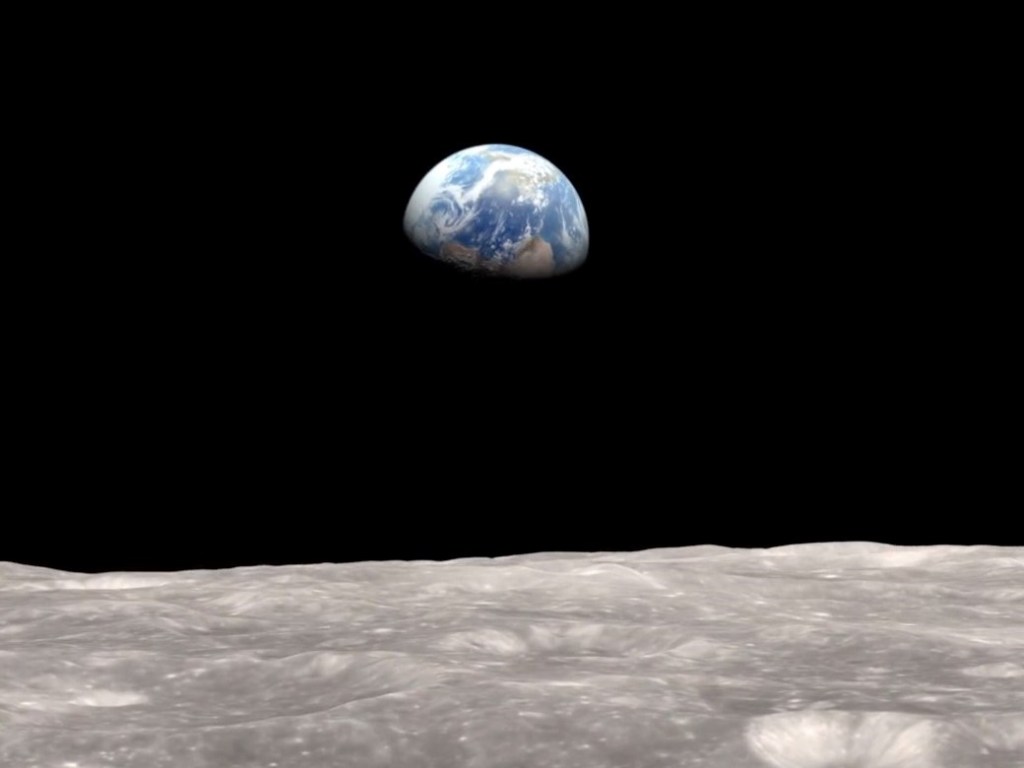
According to quantum mechanics “nothing” is inherently unstable, so perhaps the initial emergence of “something” from “nothing” was inevitable, but we don’t know.

The zero-energy universe hypothesis states that the total amount of energy in the universe is exactly zero, with the amount of positive energy in the form of matter being exactly cancelled out by its negative energy in the form of gravity, however, experimental evidence for the zero-energy universe is at the moment inconclusive.
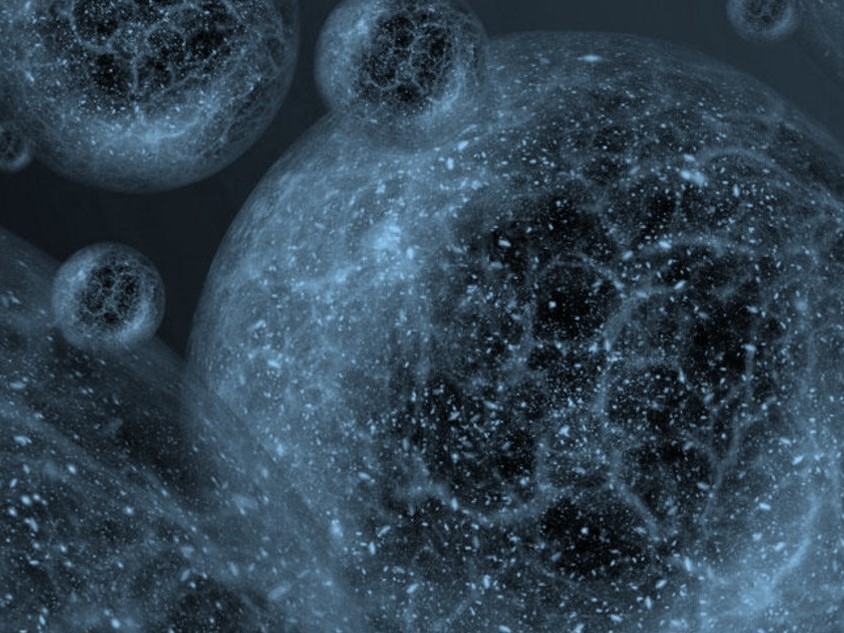
String theory, Eternal Inflation theory, and the Many Worlds interpretation of quantum mechanics were developed independently, but they all seem to reach the same conclusion, the existence of an enormous number of parallel universes also known as multiverse. Parallel universes may or may not exist, but so far, no empirical evidence of their existence has been found.

The prevailing view among astrophysicists is that as the Universe expands and new space is formed, the quantity of dark energy also grows, while the overall density of the Universe remains constant, however, there is no definitive proof of this

We don’t really know what the fate of the Universe is, will it end on a big rip (stars, galaxies, atoms, and subatomic particles, and even spacetime itself, is progressively torn apart by the expansion of the universe until distances between particles will become infinite), or on a big crunch (the expansion of the universe eventually reverses and the universe re-collapses into a singularity, perhaps even starting another Big Bang)?
 Awarenergy