
If our Sun suddenly vanished, we would notice its absence by observing simultaneously its light going off, and its gravitational pull disappearing. This is because light and gravity propagate in space at the same speed, the speed of light, but we don’t know why that is.

Water covers 71% of Earth’s surface, and some of our oceans are deeper than the highest mountains. In theory Earth was a dry rock after it coalesced 4.5 billion years ago. Where all the water came from remains a mystery. Did it come in the form of huge asteroids filled with ice, or was the water retained from the cloud of gas and dust that formed our planet? We don’t know.
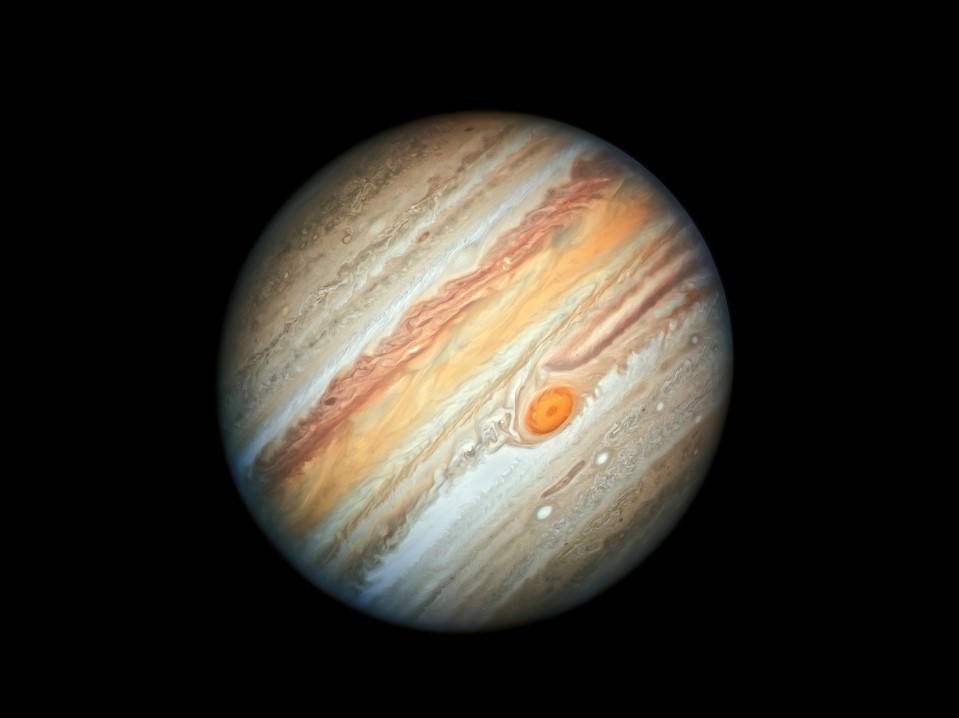
The Great Red Spot is a persistent high-pressure region in the atmosphere of Jupiter, producing the largest storm in the Solar System. The storm, which has been active for at least 356 years, measures 16,350 km, which is equivalent to 1.3 times the diameter of Earth, and it rotates counter-clockwise, with a period of about six Earth days. We don’t know what causes the formation or the colour of this giant storm.

For reasons not yet understood, Venus and Uranus spin on their axis in the opposite direction than the rest of the planets in our Solar System.
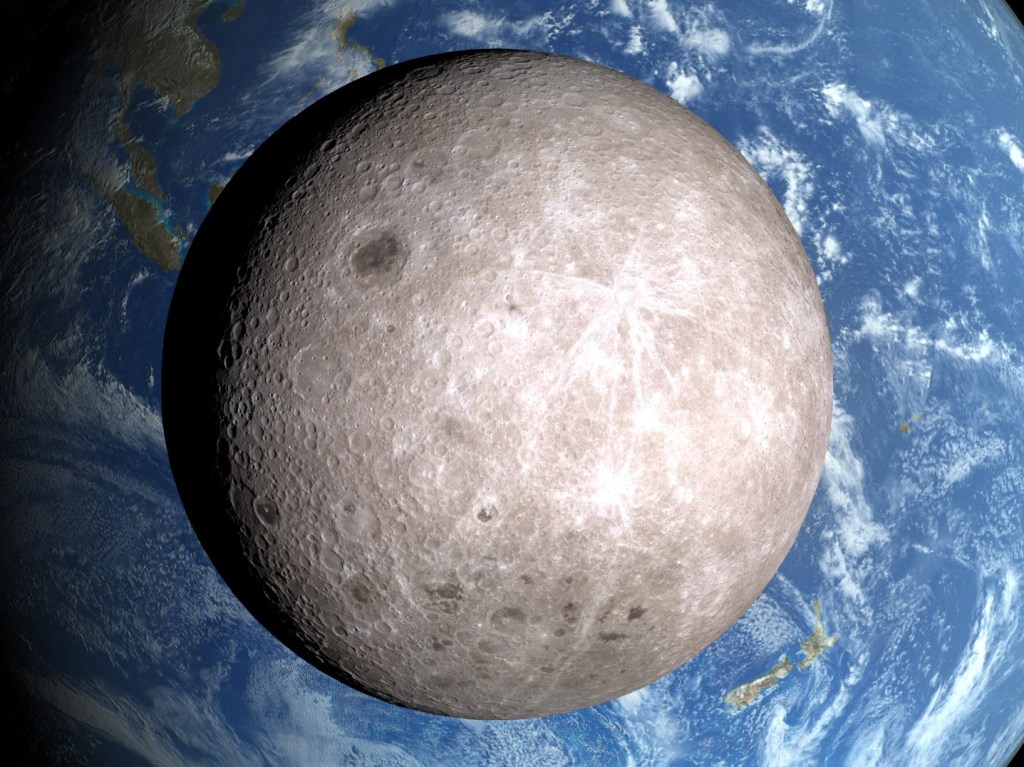
The leading hypothesis for the existence of our Moon is a collision between Earth and an object the size of Mars 4.5 billion years ago, but there is no conclusive evidence of that.
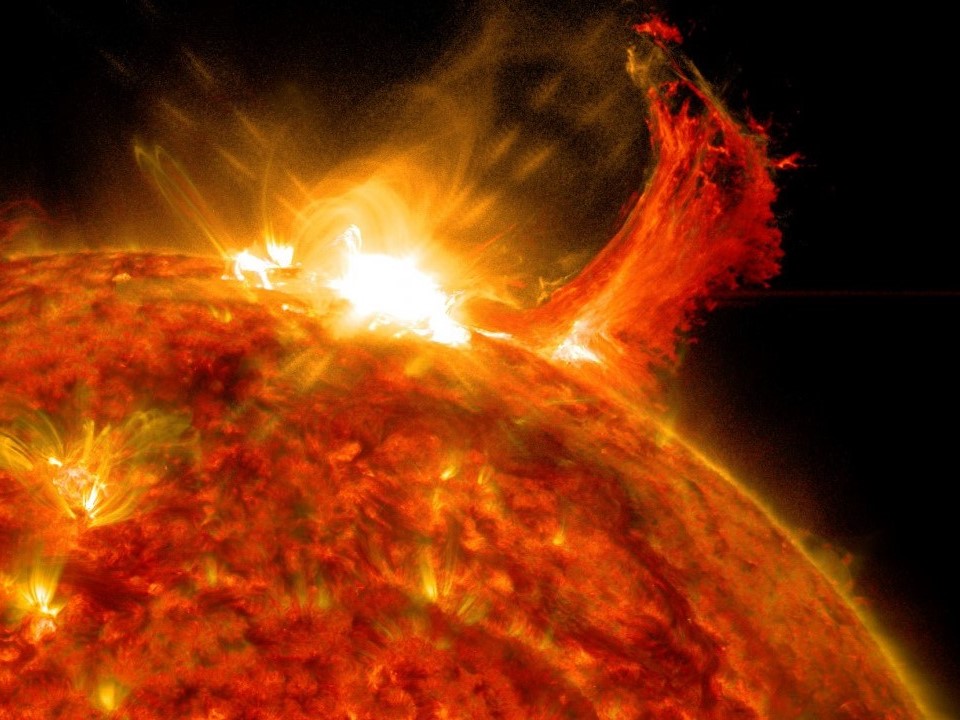
The Sun’s corona, which extends millions of kilometers into outer space, is significantly hotter than its surface. This phenomenon seems to be linked to the Sun’s magnetic field, though the precise reasons for the extremely high temperatures remain unknown.
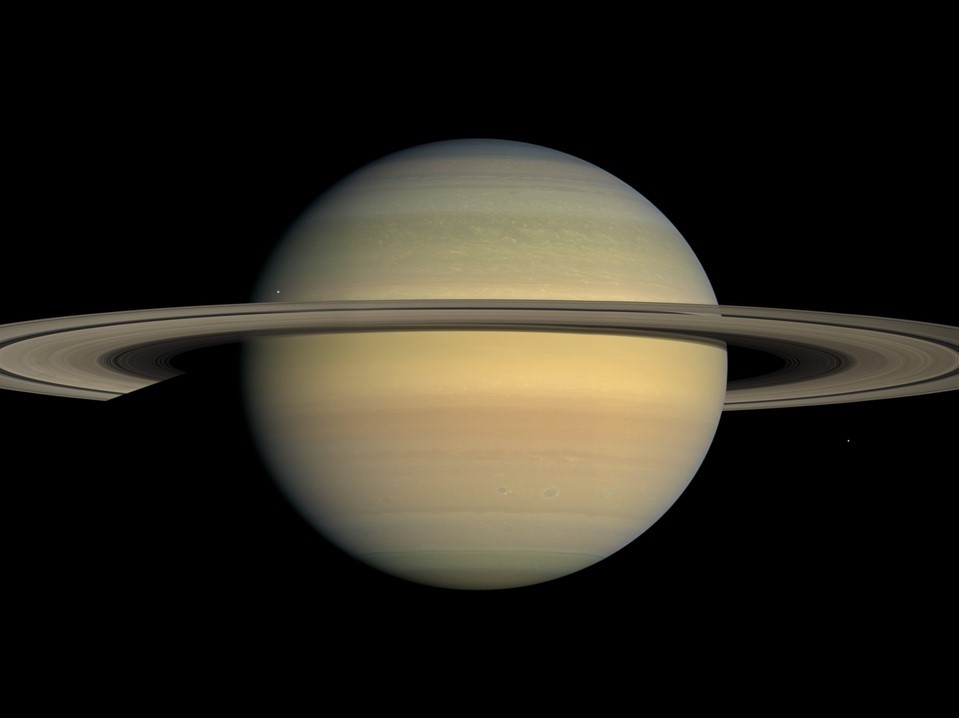
For reasons not yet know, the magnetosphere of Saturn shows a slower rotation rate than the planet’s clouds.
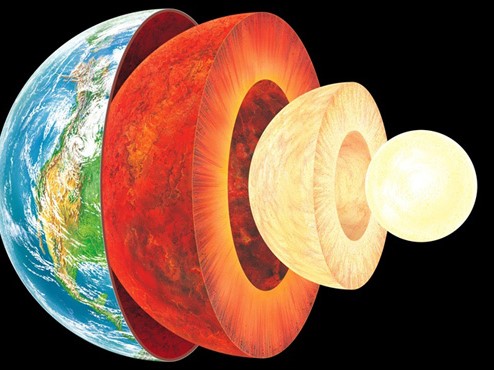
Earth’s inner core is estimated to be about 2442 km in diameter, which is about 70% of the radius of the Moon. It is believed to consist primarily of an iron–nickel alloy, however there is no evidence of what it is actually made of.

The cause of the solar cycle of a nearly periodic 11-year large scale reversing of the Sun magnetic field, which is measured in terms of variations in the number of observed sunspots on the solar surface, is a mystery.

Mercury is the closest planet to the Sun, and yet its polar regions contain at least a thousand trillion litres of frozen water. The origin of the ice on Mercury is not yet known.

Discovered in 1981, Saturn’s hexagon is a hexagonal cloud pattern around the north pole. The sides of the hexagon are 2,000 km longer than the diameter of Earth. Several hypotheses to explain the cause of the hexagon have been developed, but none are conclusive.

The average temperature of the Sun’s polar wind is about one million degrees °C, however, the South Pole of the Sun is 80,000 °C cooler than the North Pole, and this is irrespective of the magnetic polarity of the Sun which flips every 11-years. The cause of this temperature difference is not known.

Methane on Earth is often produced by biological processes, though it can also come from geological sources. Methane has been detected on Mars; its presence is intermittent and its origin unknown. Scientists are still trying to figure out where exactly it’s coming from, and what’s making it disappear and then come back again.
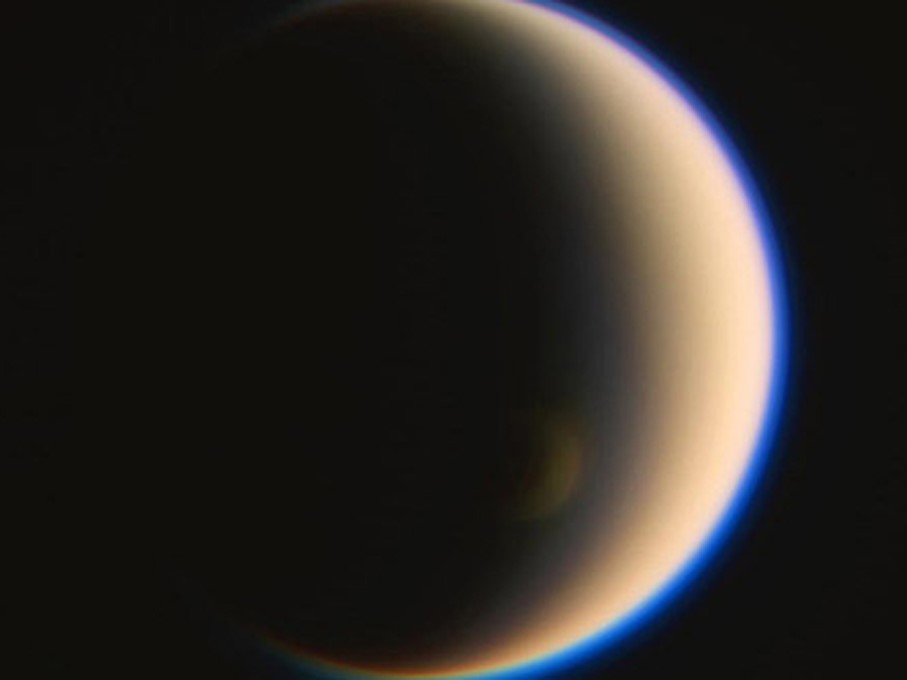
Saturn’s moon Titan is the only moon in the Solar System with a significant atmosphere, which is mainly composed of nitrogen. Where all this nitrogen come from is a mystery.

Uranus is the only planet in our Solar System that rotates on its side, to be specific, with an axial tilt of 98 degrees. Why is that? We don’t know.
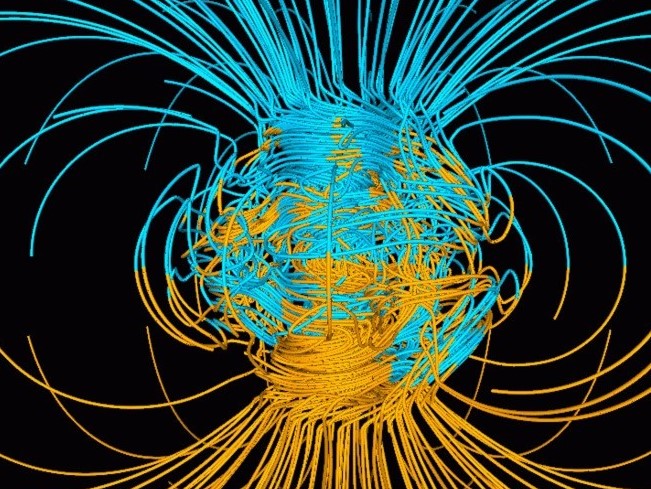
The Sun is made of positively charged ions and negatively charged electrons in a state of matter called plasma. The movement of those particles causes the Sun’s large and complex magnetic field. We still don’t know exactly how the Sun’s magnetic field works or whether it forms near the solar surface or deep inside the Sun.

Venus is similar in size to Earth and like our planet, it is well inside the Sun’s habitable zone, where in theory liquid water could exist. However, Venus atmosphere is 95% carbon dioxide, which is causing a greenhouse effect that gives it an average temperature of 471 °C. In contrast Earth atmosphere only has 0.04% CO2. We don’t know for sure why Venus has so much CO2 in its atmosphere.
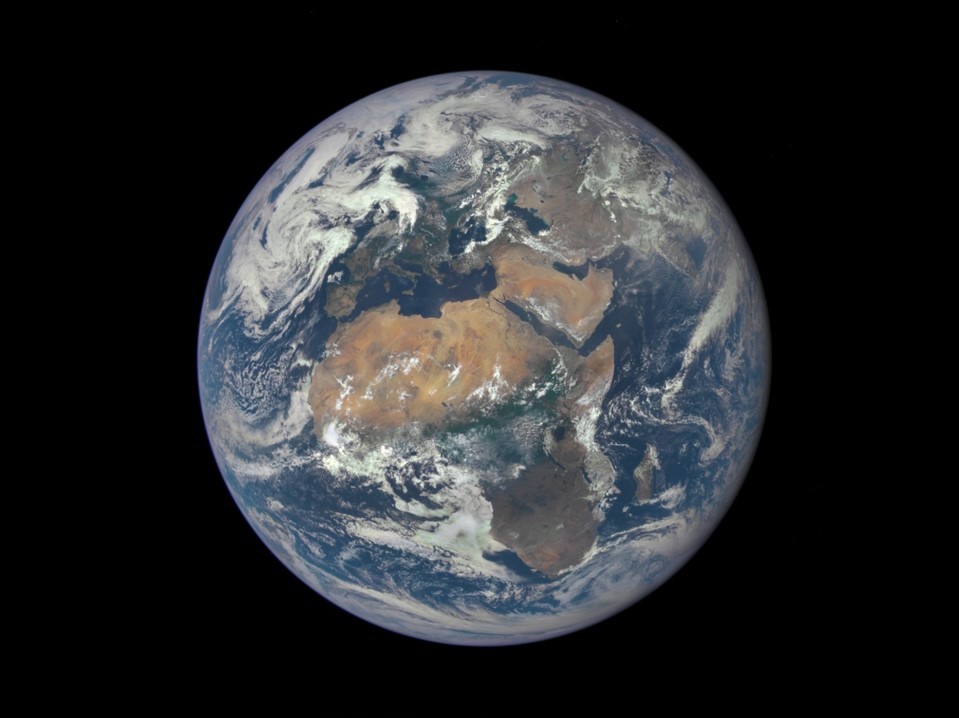
Based on the remanent magnetization of some minerals, we know that Earth’s North and South magnetic poles reverse at irregular intervals averaging several hundred thousand years, when the North and South Magnetic Poles abruptly switch places. The mechanism causing this phenomenon is unknown.

According to geological evidence, plenty of water flowed across Mars billions of years ago. We don’t really know for sure what happened to all that water. One theory suggests that it disappeared from Mars via atmospheric escape, another that it may be trapped in minerals in the planet’s crust, or maybe it was a combination of both.
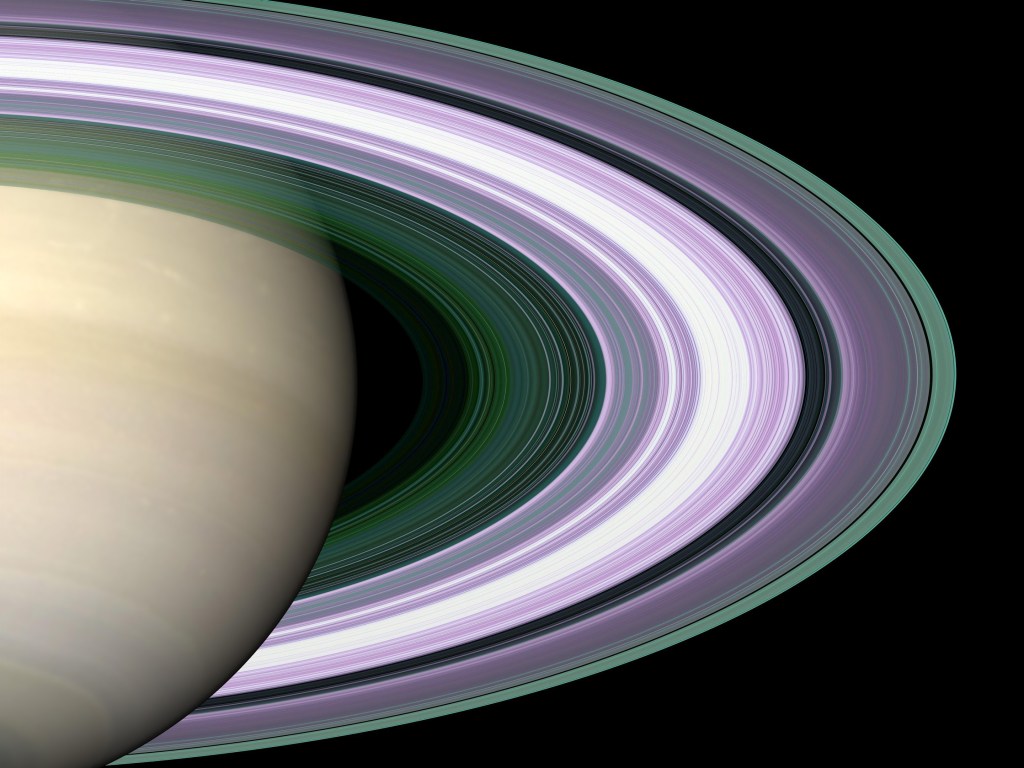
Saturn is about 4.4 billion years old, but its rings are much younger, around 400 million years old. The origin of Saturn’s rings remains a mystery.

Earth is frequently getting hit by positrons, the antimatter counterpart of electrons, representing 1% of the particles in the cosmic rays reaching Earth’s atmosphere. The exact origin of positrons hitting Earth’s atmosphere is still unknown.
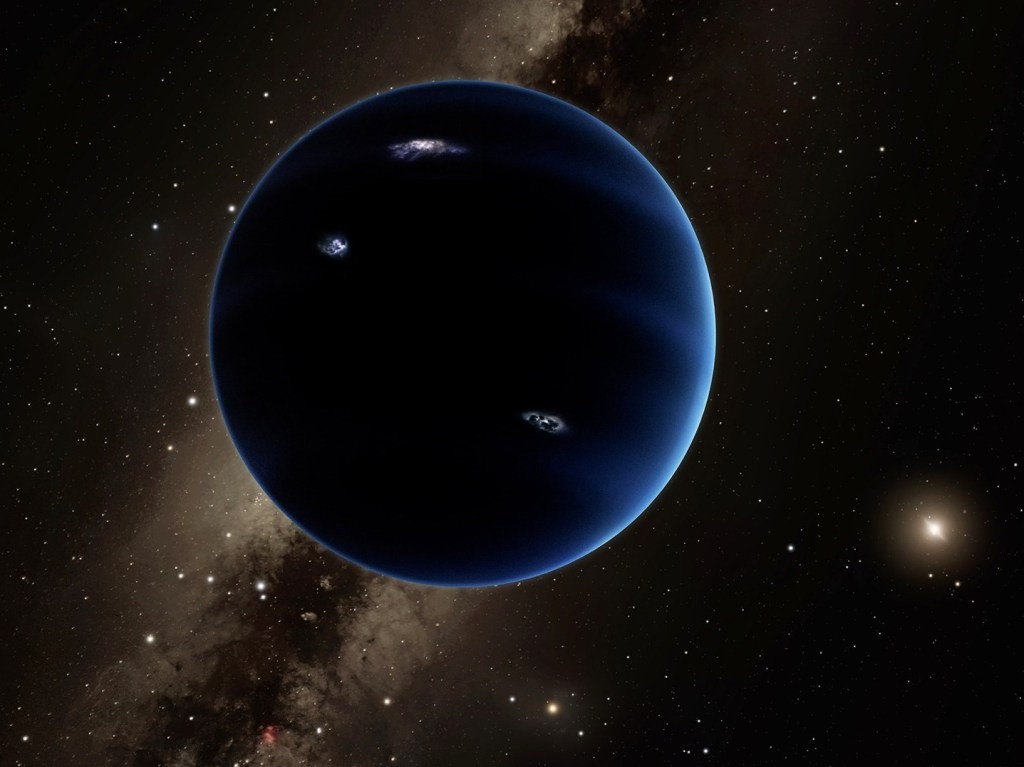
Planet Nine is a hypothetical planet that could explain an unusual alignment observed between the orbits of six small bodies beyond Neptune. This undiscovered planet would be 5 to 10 times the mass of Earth and would be orbiting the Sun at a distance 400 to 800 times the distance between the Earth and the Sun.
 Awarenergy