
Time is something we are all very familiar with, however it is very hard to define because an operational definition of time does not address what its fundamental nature is, in other words, we seem to know what it does, but not what it is.
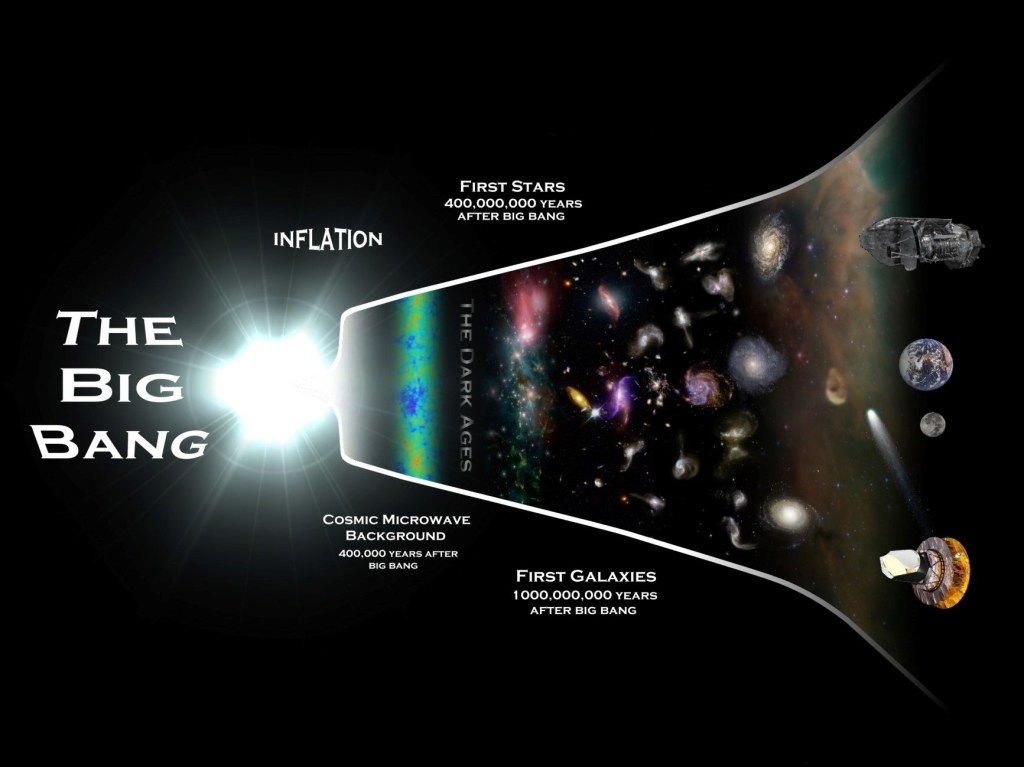
General relativity is telling us that there was no infinite time in the past, that 13.8 billion years ago, the Universe was compressed into a singularity, a point of infinite density and zero volume that marked the beginning of time, but there is no evidence of this.

In theory, according to general relativity, time stops flowing at the centre of a black hole, where all its mass is concentrated in a zero-volume singularity with infinite density, and infinite curvature of space-time, however, there is no empirical evidence of this.
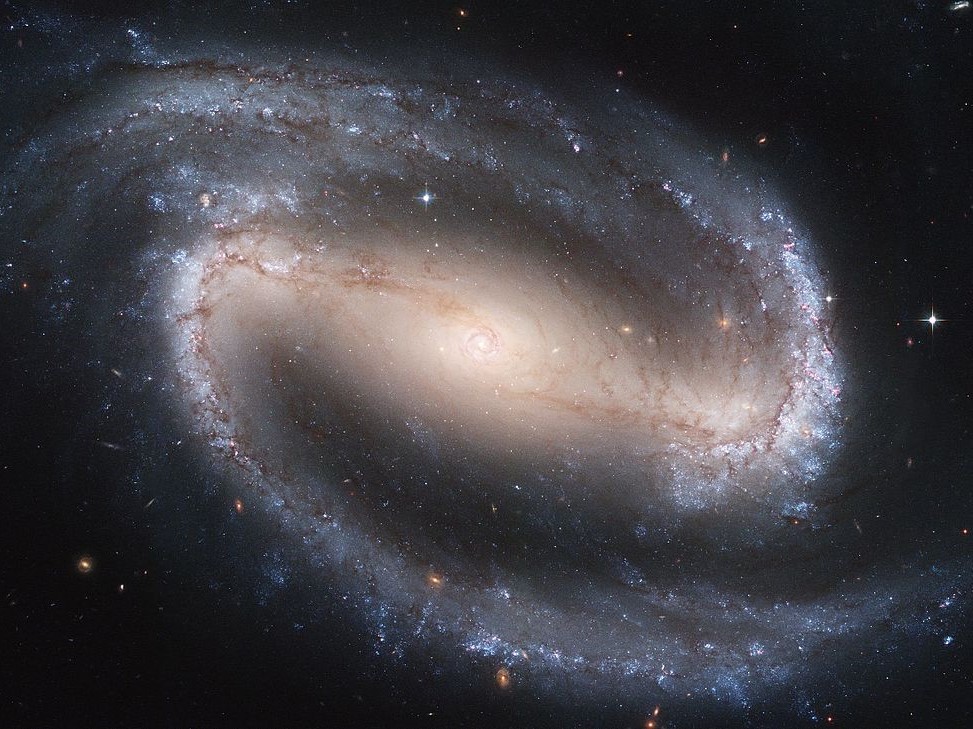
According to quantum gravity theory, time and space are not fundamental components of nature but emergent phenomena, however there is no proof of this.

In quantum mechanics the flow of time is universal and absolute. In general relativity the flow of time changes depending on the curvature of spacetime and the trajectory of the observer. These two concepts have not been reconciled yet.

Things change in relation to each other, but at fundamental level there is no time flowing by itself, time is not observable, so is time real in some elusive way or illusory? We don’t know.

We believe that events in nature are sequenced by time which is always flowing forward. We don’t know why the arrow of time seems to travel in only one direction.

According to the many-worlds interpretation of quantum mechanics all possible outcomes of quantum measurements are physically realized in some parallel universes, so we are not sure if there is a single possible past, present or future.
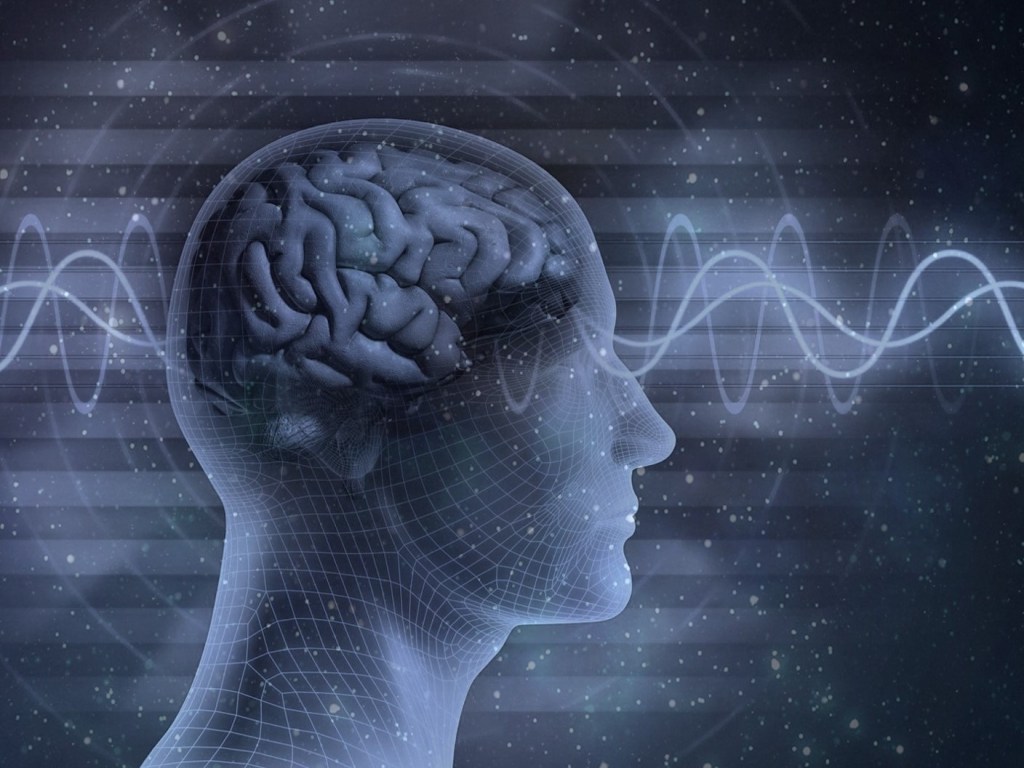
We don’t know if the present time is physically distinct from the past and future, or is it just an emergent property of consciousness.
 Awarenergy